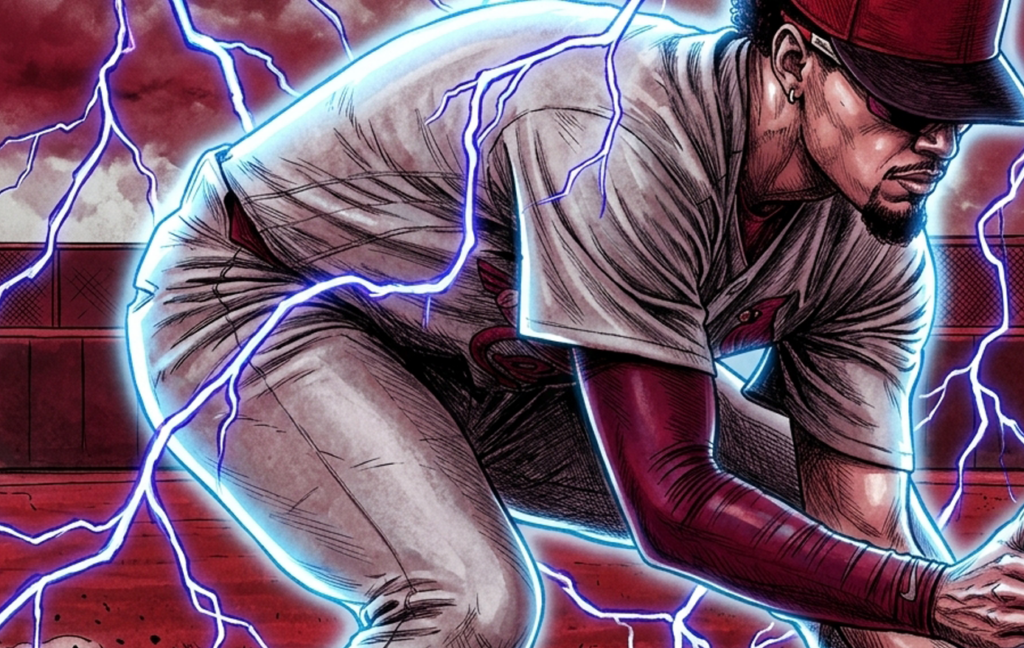
The Cardinals aren’t hiding what 2026 is about. After trading Nolan Arenado, Willson Contreras, Brendan Donovan, and Sonny Gray over the winter, this isn’t a playoff push—it’s a reset. Projection systems agree: FanGraphs has St. Louis at 75-87, PECOTA at a brutal 66 wins, and the betting market has installed the Cardinals at +2800 to win the NL Central.
For fans used to October baseball, this stings. But for those who know how to read a rebuild, there’s opportunity here. When expectations crater and odds balloon, value emerges. You just need to know where to look.
The Odds Tell the Story
Let’s start with the baseline. The Cardinals’ World Series odds sit at 100-1. Their win total is set between 69.5 and 75.5 depending on the book. They’re dead last in NL Central futures, trailing the Cubs (+110), Brewers (+235), Pirates (+600), and even the Reds (+550) by a mile.
Those numbers reflect a team that lost its established core and replaced it with a lineup that averages under 25 years old. Masyn Winn, Ivan Herrera, and top prospect JJ Wetherholt are the new faces—talented, yes, but unproven at this level. The rotation is anchored by Matthew Liberatore, a 26-year-old coming off a career year who’s never thrown 170 innings in the majors. Dustin May, signed on a one-year prove-it deal, slots in behind him.
This is the kind of team oddsmakers love to bury. And sometimes, they bury them too deep. For bettors who use litecoin casino sites or other crypto platforms to lock in early futures, the Cardinals’ current numbers represent exactly the kind of inflated odds that create long-term value.
Where Smart Money Looks
If you’re exploring betting angles during a Cardinals down year, the key isn’t trying to will them into a division title. It’s finding the spots where their youth and upside create mispriced lines.
First-half unders on opponents. The Cardinals might not be great, but neither are half the teams they’ll face in April and May. Early-season matchups against fellow rebuilders like the Marlins, Rockies, or White Sox often feature inflated totals that assume offensive explosions. A young Cardinals pitching staff that’s still fresh—and motivated to prove doubters wrong—can keep games tight early. Look for under opportunities in the first two months when the rotation is healthy and adrenaline is high.
Individual player props. This is where the real value lives. Winn is an elite defender at shortstop with a rising bat. Herrera led the Cardinals in OPS last year (.837) and is criminally underrated. If books are still pricing these guys like unproven rookies two months into the season, there’s edge to be had on over props for hits, RBIs, or total bases—especially in home games at Busch Stadium, where the environment favors contact.
Similarly, Liberatore’s strikeout props could lag his actual stuff. He punched out 22.8% of batters last year and should see a boost facing lineups that underestimate him. When sportsbooks set his K line at 4.5 or 5.5 against weak offensive clubs, the over becomes attractive.
Live betting. Rebuilding teams are volatile. The Cardinals could get blown out one night and then piece together a scrappy 3-2 win the next. Live lines overreact to early deficits, especially for teams the market has written off. If St. Louis falls behind 2-0 in the third inning, their moneyline might balloon from +140 to +300. That’s when you pounce—not because they’re good, but because the price has swung past fair value. Variance works both ways, and young teams that play hard can claw back more often than the live odds suggest.
The Case for Optimism (Sort Of)
Betting value doesn’t require blind faith. It requires information asymmetry. The market sees “Cardinals projected for 66-75 wins” and lumps them in with tanking teams. But there’s a difference between a team trying to lose and a team trying to figure out which young players belong.
St. Louis isn’t tanking. They’re auditioning. That means effort, competitiveness, and—occasionally—unexpected wins. The young rotation has upside: Michael McGreevy, Quinn Matthews, and Hunter Dobbins could all force their way into starts and give this staff more depth than projections account for. The lineup, while green, has legitimate pop from Herrera, Alec Burleson, and Jordan Walker if he finally clicks.
Will this team win 82 games and sneak into the playoffs? Almost certainly not. But can they beat a 69.5 win total in a weak division? Can Winn go over 140 hits? Can Liberatore post a sub-4.00 ERA? Those are the bets worth exploring — and platforms like AviatorGames have started offering competitive lines on exactly these kinds of prop markets.
The Bottom Line
Nobody’s confusing this Cardinals team with the 2011 Wild Card squad. But down seasons don’t mean dead money—they mean recalibration. The market prices in failure and ignores upside, which is exactly where disciplined bettors find their edge.
If you’re going to bet on the Cardinals in 2026, don’t bet on them contending. Bet on them being better than a 69.5 win total suggests. Bet on Winn’s glove and bat playing above market expectations. Bet on Herrera continuing to rake as the league’s most underpriced designated hitter. Bet on young arms like Liberatore and McGreevy keeping games tight against weak opponents.
And bet on the fact that when the entire baseball world expects nothing, even modest competence creates value. That’s the play in a rebuild. Not hope—math.